2026 is shaping up to be a HUGE year for us here at The House of Wood, both in scope and in pace, and for the first time in a long while, I feel ready for it. I’m praying this will be the year I stop getting in my own way and fully step into what God has already prepared for me. He’s already given me the passion, gifts, and skills, and I’m learning to trust that.
Burnout knocked the wind out of my sails more than I was willing to admit, and one of the hardest things I’ve had to face is how tightly I tied my self-worth to my level of productivity. When I slowed down, my output dropped, and so did my sense of worth. It’s such a poisonous cycle and a shockingly deceptive way of thinking.
Coming out of that season forced me to rethink how Creativity actually works. I believe Creativity is a renewable resource, a muscle that strengthens the more you flex it.
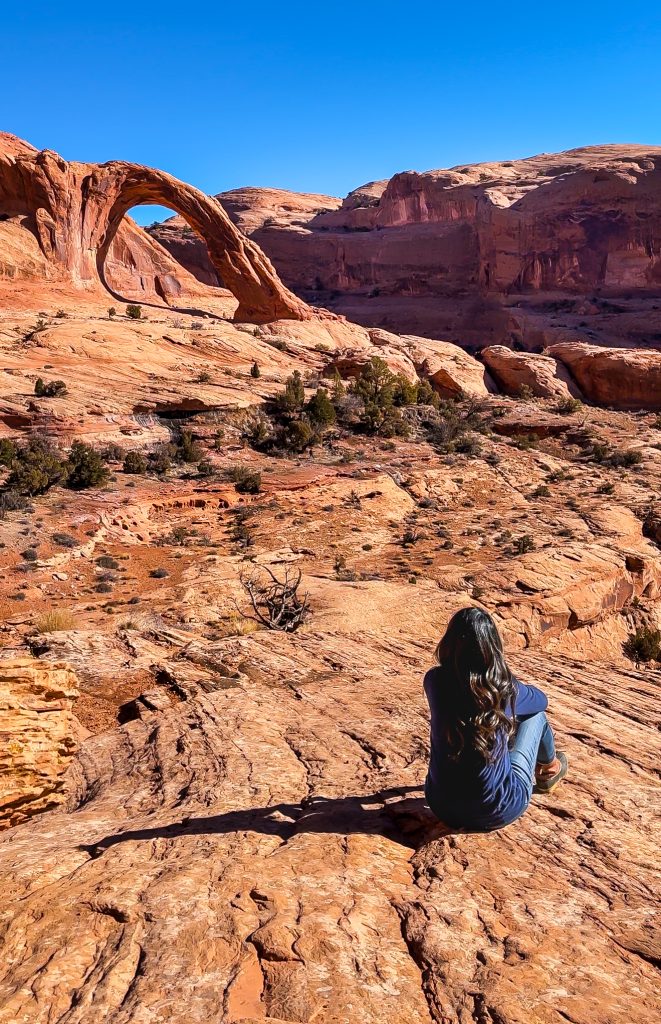
That shift has also prompted me to reflect on the seasons of life and the distinction between preparation and execution. Sometimes I use cultural symbolism as a way to describe those rhythms, not as guidance or authority, but simply as a metaphor. God works through seasons and remains the Author; Scripture is always the final word for me.
Through that lens, I find it interesting that 2026 is the Year of the Horse (which also happens to be my birth year). Horse years often represent powerful momentum, forward motion, and decisive action. In contrast, last year was the Year of the Snake, which is seen as a period for internal processing, the shedding of skin, quiet strategy, healing, and recalibration. Snake years tend to feel slower because their focus is on preparation rather than outward action. Horse years carry the opposite energy: movement, boldness, big swings and big outcomes.
In hindsight, maybe I wasn’t on the sidelines by accident.
Maybe I was regenerating.
Every year, I choose a Word of the Year, and after much prayer and discernment, the word that keeps rising to the surface for 2026 is Stewardship.
Stewardship is not small or passive. Biblically, a steward is entrusted with much and is expected to multiply it, not hide it.
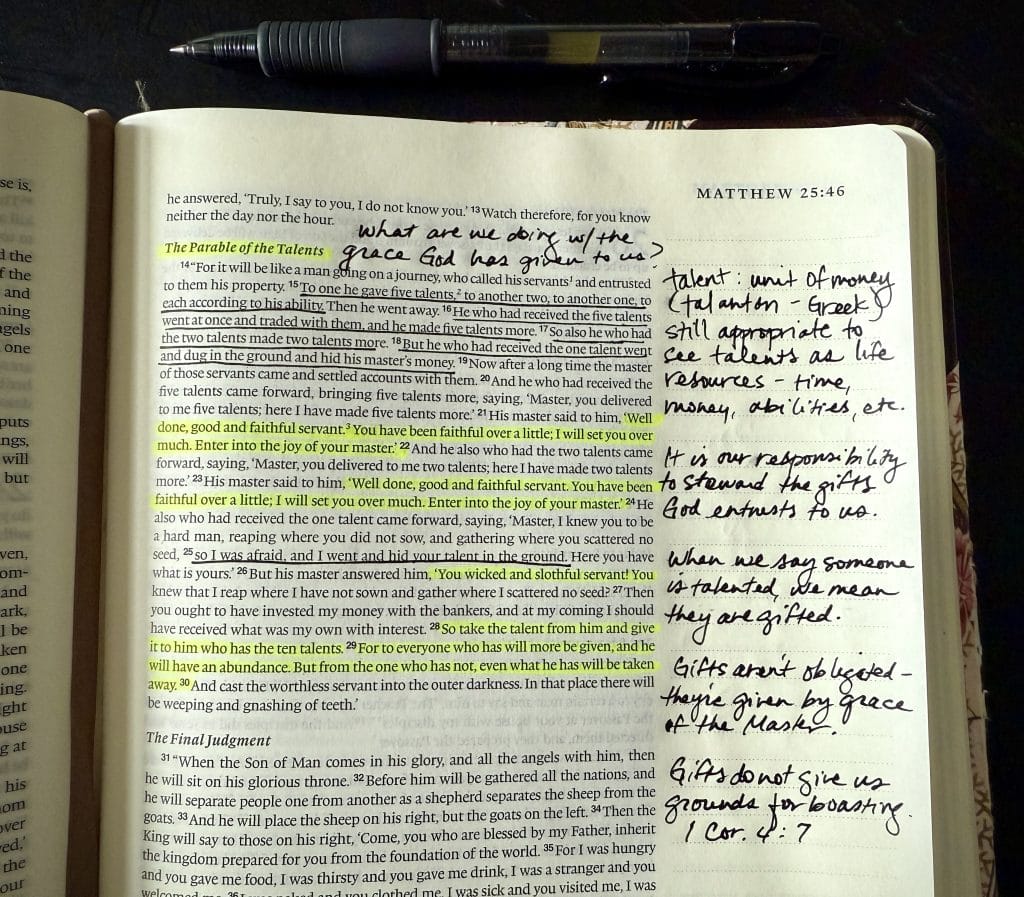
I’ve been thinking a lot about Matthew 25, The Parable of the Talents. The third servant wasn’t condemned for failure, but for fear-based inaction. He was called “wicked and lazy,” which sounds harsh, but “lazy” here doesn’t mean inactive – it means he was unwilling to take responsibility. He chose safety over stewardship.
This parable feels uncomfortably personal.
So 2026 is the year I stop waiting for permission. If it’s been entrusted to me, it’s meant to be used. Light is meant to be visible. Staying silent doesn’t make me humble; it makes my gifts inaccessible. I’m learning that my responsibility is not outcomes, but obedience. My work is meant to be a form of worship, not identity (this is a huge struggle for me).
So for me, here’s what stewardship looks like in practice:
- Publishing the idea instead of endlessly refining it.
- Using my skills as tools to deploy, not treasures to protect.
- Honoring your time and attention with intention and care.
Stewardship does not look like:
- Waiting for 100% confidence (it never comes).
- Shrinking because others might judge.
- Calling fear “wisdom.”
- Over-preparing to avoid risk.
Thank you for being here. I’m grateful you’re walking into this next season alongside me.


Longtime reader 🙂 glad you’re back and I’m looking forward to seeing how the journey unfolds for you as you steward your voice. I think you have a lot to say and can’t wait to read it!