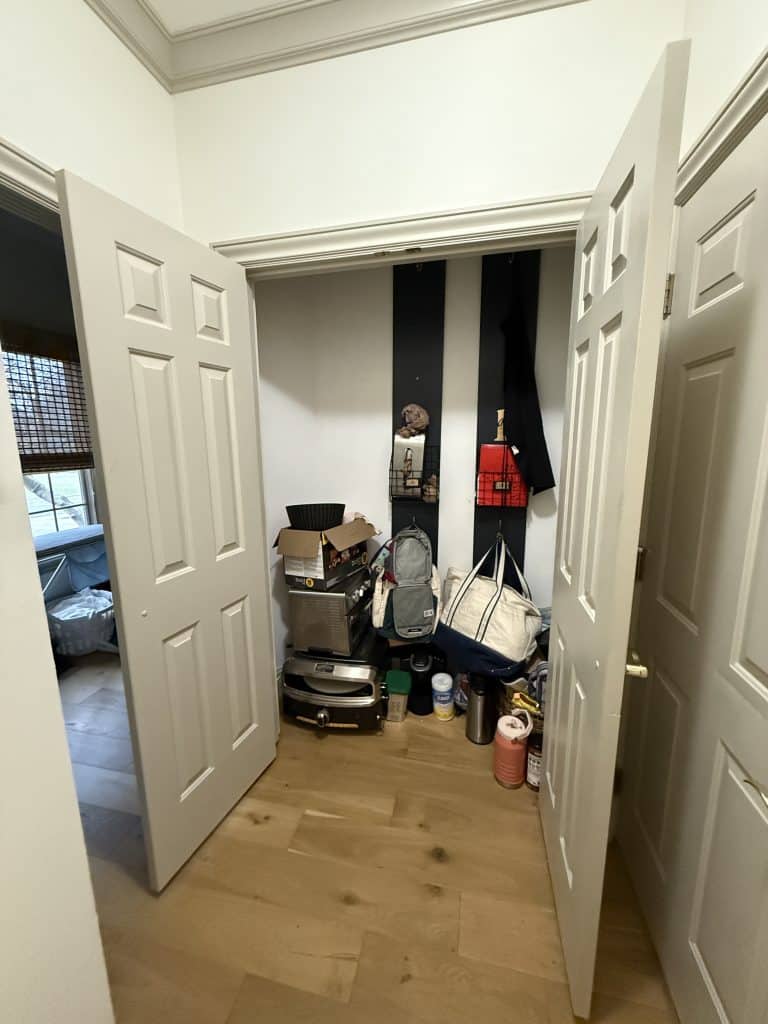
Last week, I shared that we are finally transforming an awkward pantry closet into custom, built-in mudroom lockers. Today, I’m taking you behind the scenes to show you all the finishes and material choices that went into this design. I’m obsessed with the nitty-gritty details because those are what turn a basic build into something magazine-worthy. Even if your own space looks nothing like ours, I promise you’ll find some juicy nuggets you can steal for your own space!
The goal for this renovation is simple: I want to create storage that works hard for our family, looks aesthetically appropriate for our house, and feels as though it has always been part of the original design. Before we get into the build itself, I want to walk you through the design direction, because in a space like this, finishes matter just as much as layout.
The Design Goal: Built-Ins That Feel Original
One of the biggest mistakes I see with built-ins is that they feel like an afterthought. Cabinets stuffed into a former closet rarely feel intentional unless the design is handled carefully. From the start, I wanted these lockers to feel architectural rather than a furniture piece dropped into place. That meant I had to be mindful of proportion, materials, and how the new work relates to existing trim, doors, and adjacent spaces.
Why Finishes Matter in a Mudroom
In a small, hardworking space like a mudroom (or a closet, in my case), finishes do much of the heavy lifting in design. Lighter finishes can help a tight area feel more open, and darker finishes tend to add warmth and depth. Mixed materials like wood, metal, and paint can bring in character and depth.
This mudroom closet is tucked between the garage, laundry room, and kitchen, serving as a visual transition. The finishes need to bridge these spaces rather than compete with them. Because the footprint is modest, even subtle choices have a huge impact.
Our home has a French colonial influence, so I wanted the design to feel classic and cohesive with that aesthetic, without being rigid or overly tied to that specific era. The goal was to capture the spirit of the style, creating something timeless and elegant, while allowing some flexibility so the space feels appropriate for modern living.
Choosing Black Walnut as the Foundation
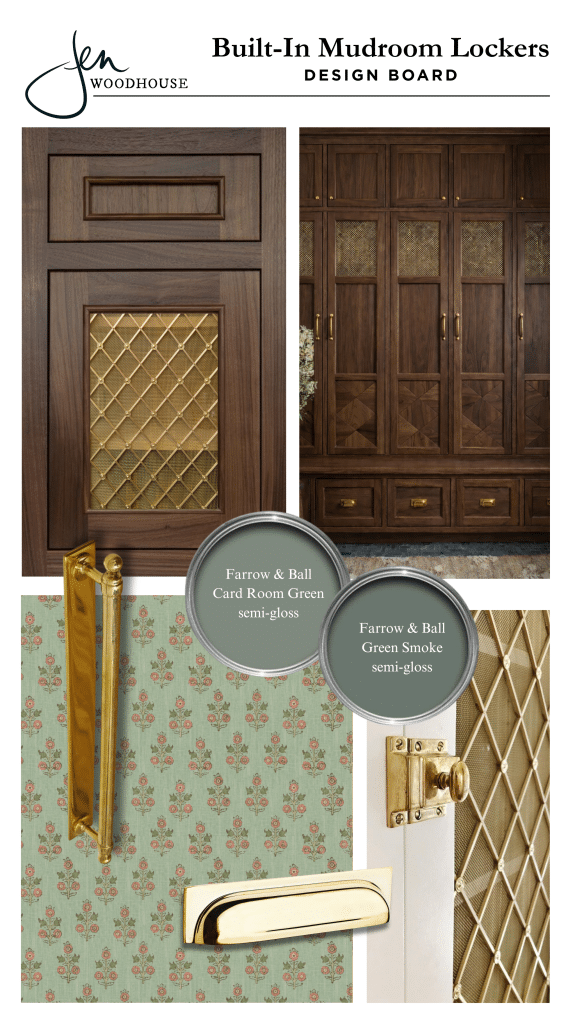
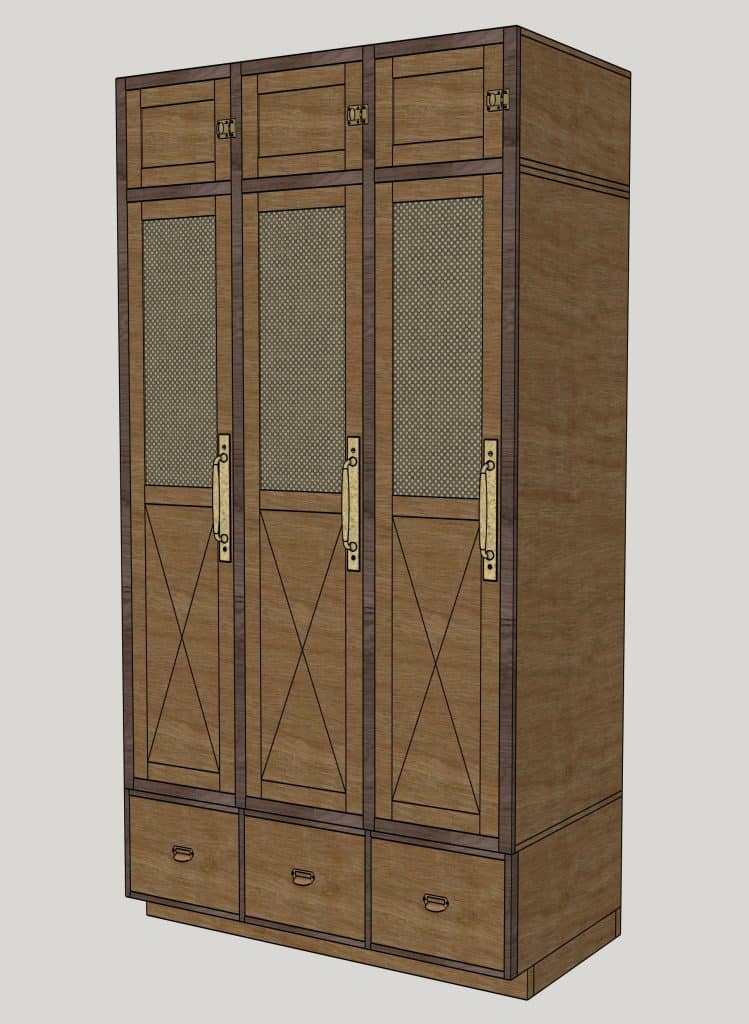
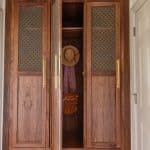
If you’ve followed my work for any length of time, you know that black walnut is one of my favorite wood species. It’s rich, timeless, and adds depth without feeling trendy or cheap. My original concept included black walnut cabinetry paired with brass mesh panels on the locker doors. The mesh would allow airflow while adding a subtle, old-world detail that felt appropriate for the house.
Then I started pricing it out. (Yikes!) Right now, sourcing those brass mesh panels has been cost-prohibitive, so I may need to consider alternative venting options. At some point, the design needs to respect the budget without losing its intent. Either way, the black walnut will be the star of the show (how on-brand for me)!
Why I Chose Walnut Hardwood Plywood
For this project, I’m using walnut hardwood plywood for the cabinet construction. The plywood is generously being supplied by PureBond® Hardwood Plywood, a product I’ve used for many years.
There are a few reasons this choice makes sense, especially for built-ins.
First, stability. Hardwood plywood is far less prone to seasonal movement than solid wood. That matters when you’re building tall cabinets with doors and drawers that need to stay aligned.
Second, cost control. Plywood lets you achieve the look of solid walnut without committing to dimensional lumber everywhere. The flexibility frees up budget for details with greater visual impact.
Third, health considerations. The PureBond® panels I’m using are formaldehyde-free, which I prioritize for cabinetry in our home.
Finally, it allows for smarter material use. We’ll still incorporate solid walnut where appropriate, while plywood handles the structural work.
This balance is something I often come back to. Splurge where it shows, save where it doesn’t. Your future self (and your wallet) will thank you.
Wallpaper + Paint Combinations
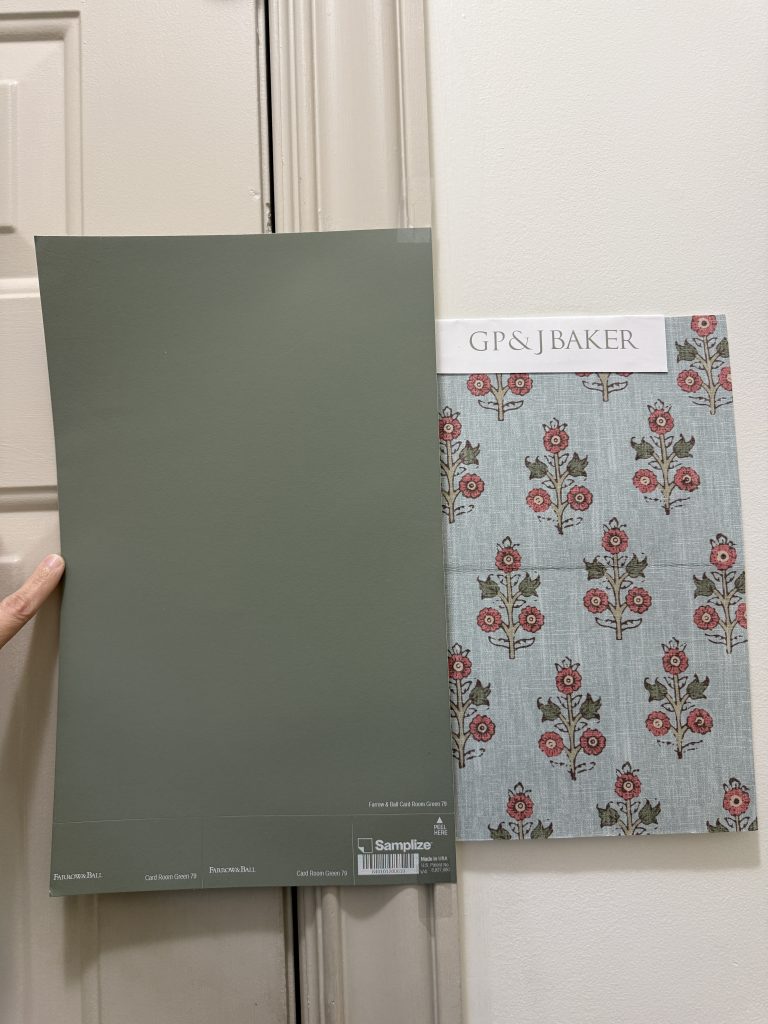
Once the walnut cabinetry was established as the foundation, the remaining question was how to finish the surrounding walls. This decision will largely determine the mood of the space. I’m going for a cozy, layered, heritage aesthetic.
Wallpaper introduces texture and pattern, and in a small area, it can make the design feel layered and intentional, especially when paired with classic cabinetry. Paint, on the other hand, lets the cabinetry take center stage. It’s a quieter backdrop that’s easy to change out in the future as your style evolves. There’s really no right answer here – it really comes down to how much personality you want the walls to have and what you want to notice first when you walk in the room.
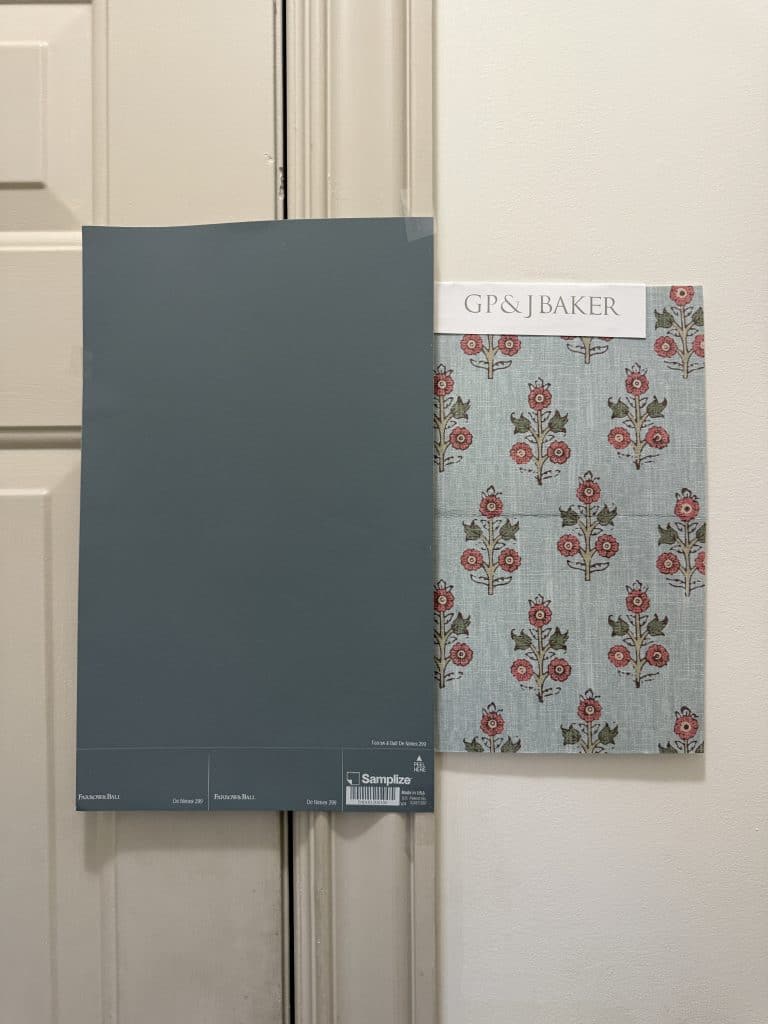
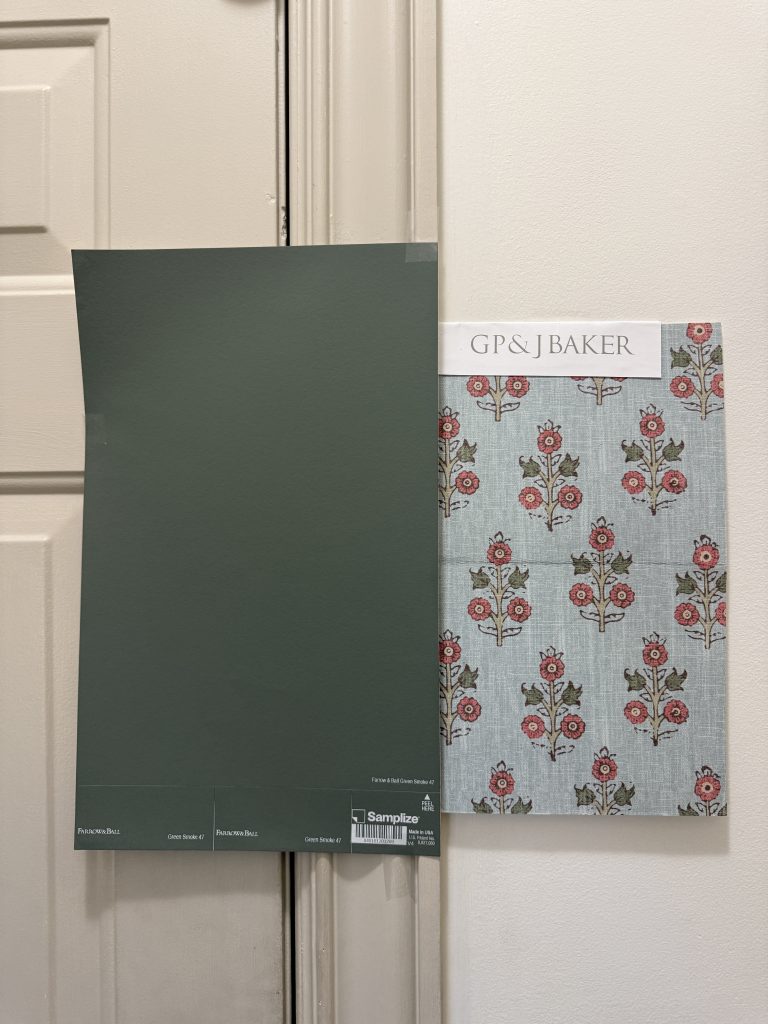
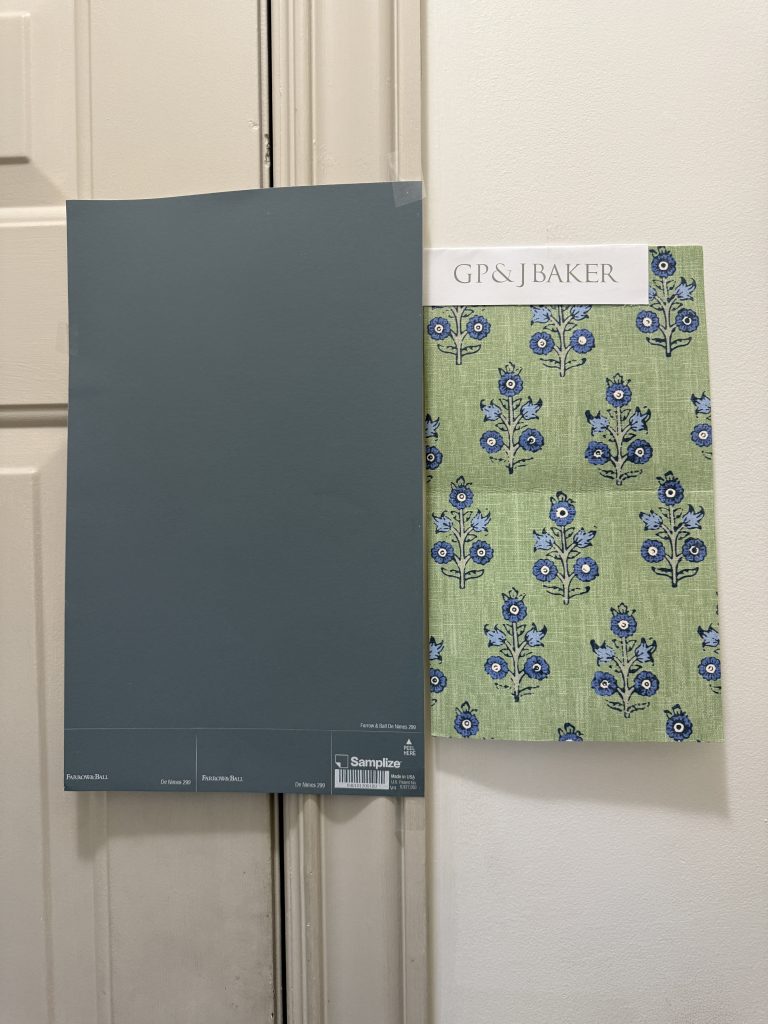
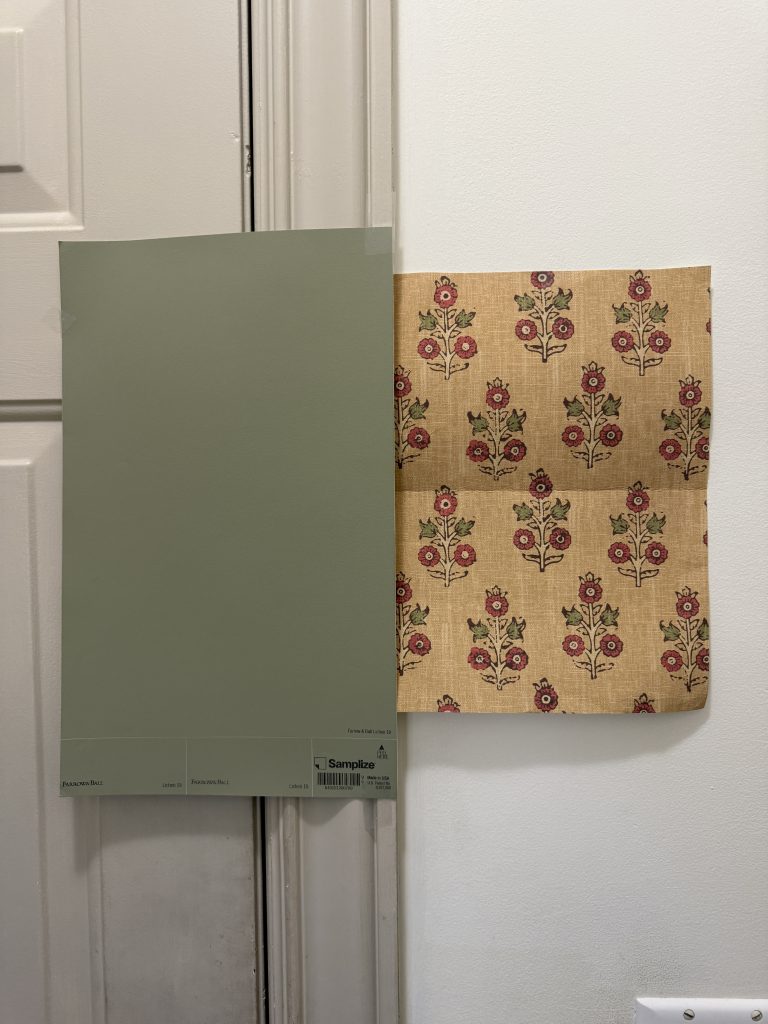
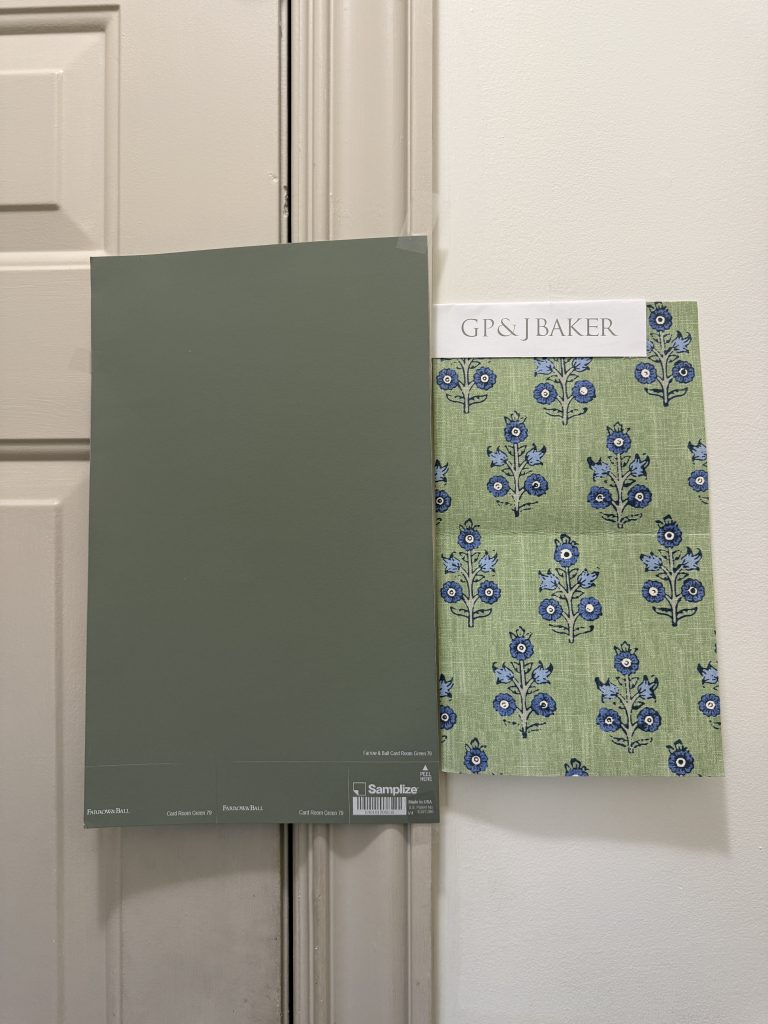
How To Think Through Finishes For Your Own Built-Ins
If you’re planning built-ins for your home, here are a few questions to guide your decisions.
- Is the space a primary room or a transition space? Mudrooms and hallways can often support more character than main living areas. Smaller spaces give you permission to be bolder and have more fun!
- What materials already exist nearby? Flooring, trim, doors, and adjacent rooms should inform your choices.
- Where should the focus be? If the cabinetry is the star, the walls should support it, rather than compete with it.
- What will age well in your house? Trends change quickly. Proportion, quality materials, and restraint tend to endure.
What Comes Next
Stay tuned for the full build process, including the cabinet construction, joinery decisions, and all the small details that help these lockers feel fully integrated rather than modular. If you’re planning a mudroom, pantry, or built-in project of your own, I hope this series helps you approach it with more clarity and confidence.
Good design isn’t just about looks, it’s about the function, care, and intention you bring to every decision, big and small. I’d love to hear about your built-in project, so feel free to drop a comment and let me know which space you’re working on!
Hi Jen, glad to see you back. May I suggest getting a cost effective mesh and have it painted or powder coated or…? They have come with some fantastic options nowadays. Brass-leaf? I so love that design!
I hacked my 2- drawer file cabinets into a campaign design. Didn’t know that was what it was called, so glad to read your blog on that!
Looking forward to this new build!